One in three U.S. employees now has flexible hours or hybrid schedules, a change that shifts how people plan days and meet obligations.
The report defines the scope: how changing jobs and the modern workplace alter norms about time, availability, productivity, and identity in daily life across the United States.
Social expectations here mean shared assumptions about responsiveness, scheduling, caregiving, commuting, and what counts as productive behavior.
This introduction previews central drivers to be analyzed: work structures (remote, hybrid, asynchronous), economic pressures on efficiency and costs, and evolving professional identity that shapes calendars and communication patterns.
Why this matters today: flexible arrangements now shape family routines, friendships, and civic participation. The section will use observable patterns—calendar norms, hiring signals, absenteeism, and outcomes like productivity and well-being—to anchor its claims.
Modern work in the United States now sets the pace for social norms
The structure of many people’s days has shifted from fixed blocks to flexible segments. Employers now promote flexibility as part of talent strategies, and that choice spills into home life, school runs, and errands.
From “where work happens” to “how life is organized”
Commuting plus office hours has given way to distributed work blocks that change meal times, appointments, and caregiving windows. Workers schedule around concentrated focus periods, short meetings, and asynchronous tasks.
Observable shifts in routines, relationships, and community participation
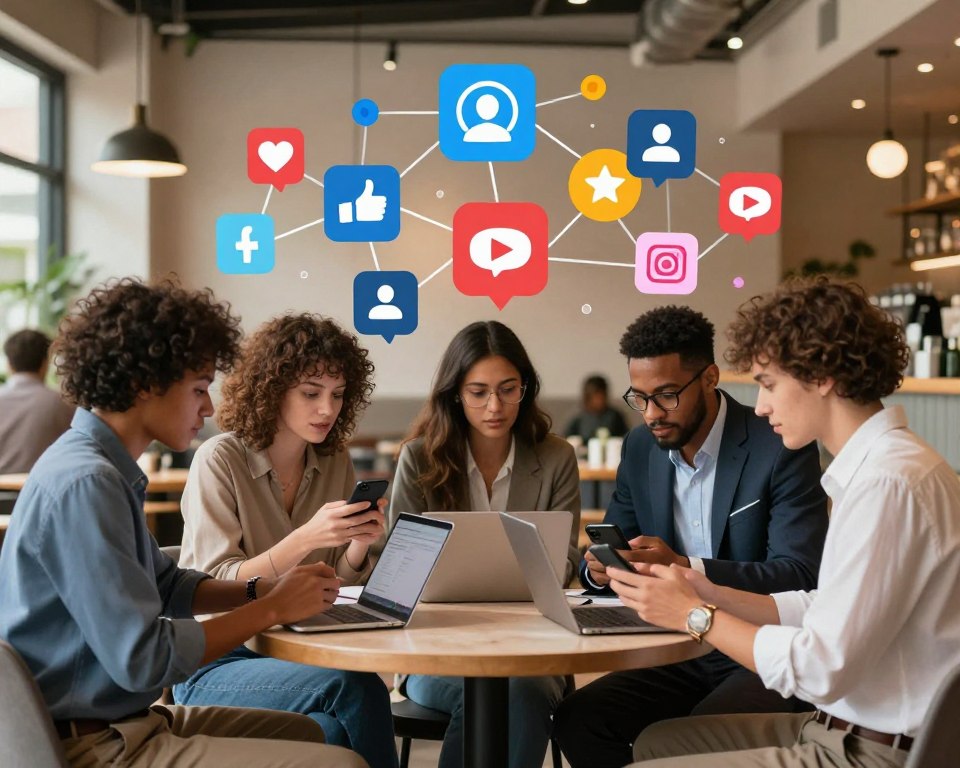
Calendar culture grows stronger: teams use shared calendars and status updates so social and family plans require explicit booking. Being reachable on chat or updating an availability indicator now shapes personal boundaries.
- Office-centered socializing, like hallway chats and lunches, often becomes planned or digital-first.
- Volunteer and civic events shift timing when community schedules are no longer synchronized.
- Effects vary by role—some workers gain control over time, while others face tighter real-time expectations.
These shifts do not declare a single outcome as good or bad. They show how the workplace sets a new rhythm that extends into neighborhoods, schools, and civic life.
The shift from fixed office routines to flexible work arrangements
A growing share of employees now plans days around tasks and meetings, not a shared office clock. Hybrid and fully remote models became mainstream options as firms adopted new policies and tools.
How hybrid, remote, and flexible choices became common
Companies scaled hybrid and remote work after proving business continuity and hiring advantages. These models let teams recruit nationwide and reduce real estate costs.
Why location independence changes daily expectations
When people leave the office, coordination shifts from presence to outcomes. Families and communities now schedule around deliverables, video calls, and shared calendars.
Asynchronous collaboration and the new “standard workday”
Asynchronous processes use shared documents, recorded updates, and task boards instead of only live meetings.
- Split days: midday appointments and focused blocks.
- Cross-time coordination: staggered starts and wrap-ups for different time zones.
- Tools: Zoom, Microsoft Teams, Slack, cloud drives, and project trackers enable this change.
For employees, availability becomes a negotiated norm—status indicators and response windows replace visible presence, and productivity is measured by outcomes more than hours.
Signals from today’s data on remote work, productivity, and satisfaction
Recent national surveys offer clear signals about how remote arrangements affect output and morale.
Remote and hybrid prevalence in the U.S. workforce
In 2023 about 12.7% of full-time employees worked fully from home and roughly 28.2% were on hybrid schedules.
These figures show that remote work is a lasting feature of the labor market, not a short-term trend.
Reported productivity patterns when working from home
Workers report higher output at home: studies find ~61% say productivity rose and 34% say it stayed the same.
That result changes employer expectations about presence: many companies now accept that output can be delivered with less time in an office.
Happiness, retention, and the link to work-life balance
Remote and hybrid employees report about 22% higher satisfaction and tend to stay longer.
When work supports better work-life balance, employees plan fewer commutes and rearrange caregiving and personal time.
Business outcomes employers track: absenteeism, profitability, and operations
Businesses note concrete gains: about $11,000 saved per part-time telecommuter and an estimated ~21% lift in profitability for some firms.
At least half of surveyed employers report lower absenteeism. Operations teams now watch continuity, workflow reliability, and manager practices closely.
Implication: these signals nudge policy: companies keep remote options when the data show a clear advantage, yet outcomes vary by role. Clear practices and targeted programs help preserve positive results across teams.
Economic forces behind the modern workplace: productivity demands and efficiency pressure
Economic pressures now steer how organizations value time versus output. When performance links to deliverables, expectations about when and where people work change.
Output over time-in-seat
Companies shift to outcome-based evaluation. Managers track milestones and results instead of hours logged, so daily routines adapt to task cycles.
Cost structures shaping policies
Rethinking the office footprint, hoteling desks, and flexible staffing reduces overhead. These policies let businesses scale space and staffing to demand.
Efficiency as culture
Do more with less becomes a norm when profitability and absenteeism metrics drive decisions. Operations teams monitor stability and use that data to defend hybrid models.
- Processes like OKRs and project tracking give leaders visibility across distributed teams.
- Practices such as documented workflows and regular check-ins support consistent results.
- Companies gain an advantage when practices and tools align with productivity goals.
Result: employees adjust routines, set firmer boundaries, and learn new skills to meet these economic demands in today’s world.
Professional identity is changing—and social expectations change with it
Professional identity now ties to purpose, visible skills, and continuous learning rather than a single title. This shift affects how people present themselves and what they expect from employers.
Work as identity: purpose, values alignment, and meaning
Many employees pick roles that match values and offer clear career and personal meaning. Gen Z prioritizes purpose, so companies signal mission through culture and programs.
The social status shift from job title to skill set and adaptability
Social standing now reflects skills, learning velocity, and cross‑functional impact. Resumes and profiles highlight capability over a single job label.
Continuous feedback, learning, and mentorship as expected practices
Quick check‑ins, mentoring, and visible development pathways replace annual reviews. Organizations that offer clear development opportunities win talent and fuel internal innovation.
- Leadership clarity and regular feedback improve retention.
- Employees expect growth opportunities and skill-focused benefits.
- Community roles and networking reflect skills and causes, not just titles.
Why Modern Work Is Reshaping Social Expectations in family life and relationships
Household routines now bend around meetings, deliveries, and focus blocks rather than a fixed commute clock. This change affects how people set boundaries, share caregiving, and plan time with friends and partners.
Boundary setting: after-hours communication and availability norms
Chat tools and mobile email increase perceived availability. Teams create shared rules about response windows so after-hours contact becomes a negotiated norm.
Clear signals — status indicators and agreed hours — help workers and employees keep a healthier balance.
Caregiving and household schedules
Flexibility lets parents shift school drop-offs and appointments to avoid conflicts. In many dual-earner homes, chores and care tasks get redistributed by calendar rather than gender.
This setup benefits health and wellness when partners agree on availability and tasks.
Friendship, dating, and calendar culture
Plans are now scheduled around varied blocks and time zones. Dating often uses short evening windows or weekend focus periods.
Commuting time reclaimed
- People use saved commute time for errands, exercise, caregiving, side projects, or rest.
- Those with less autonomy still face blurred boundaries and need explicit household agreements.
- Overall, reduced commute stress can improve work-life balance, but constant connectivity raises burnout risk.
Different workers experience these shifts differently: role autonomy, workload, and employer norms shape whether flexibility becomes relief or extra strain.
Workplace culture without the office: new norms for connection and belonging
Distributed teams treat culture as a designed outcome. Leaders use clear strategies and programs to create belonging when people do not share a single office.
Digital-first culture building: town halls, recognition, and onboarding
Virtual town halls and regular all-hands replace hallway visibility. Recognition rituals—shout-outs, awards, and dedicated channels—make achievement visible across sites.
Onboarding becomes structured. New hires follow documented paths, scheduled introductions, and early project ownership to feel like part of the team without an office base.
Collaboration tools as social infrastructure
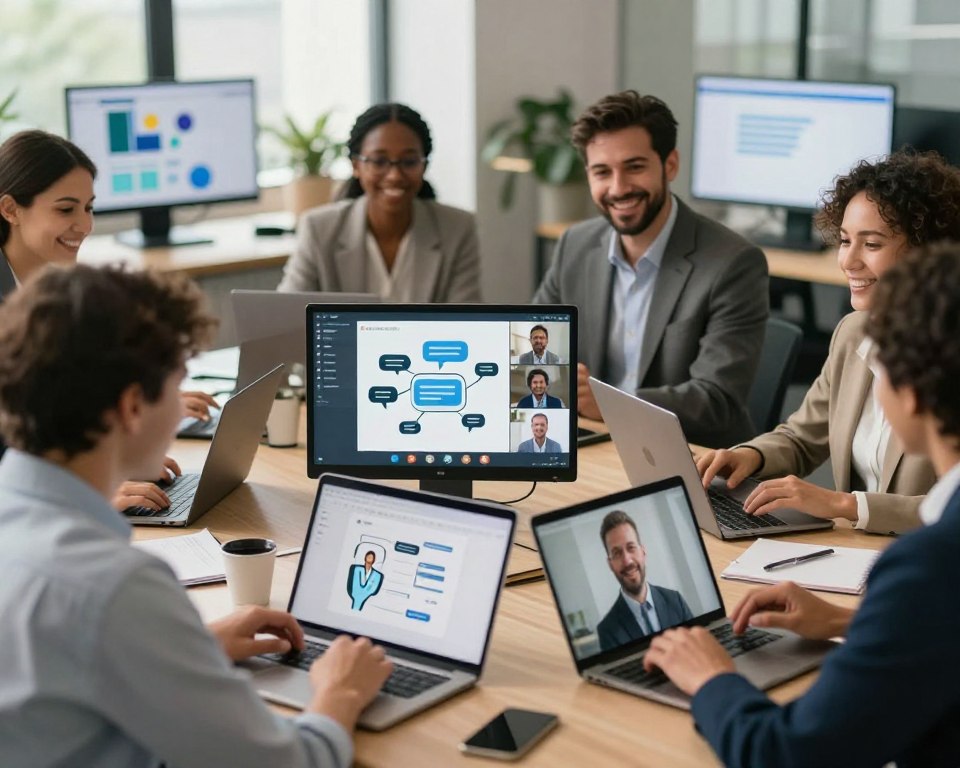
Slack, Microsoft Teams, and project boards act as the spaces where norms form. Shared docs and channels host ideas, decisions, and the small talk that once happened in person.
Tool choices shape who speaks up, how teams capture ideas, and whether async participation fuels innovation and inclusion.
Reducing isolation: check-ins, buddy systems, and virtual engagement
Companies use recurring one-on-ones, team check-ins, and buddy programs to reduce loneliness and keep employees connected. These practices make support visible and routine.
Standardized behaviors—communication etiquette, response-time norms, and meeting hygiene—help keep culture consistent across hybrid models.
- Practical steps: regular virtual rituals, clear documentation, and early role clarity.
- Operational gains: predictable norms reduce friction and set expectations for collaboration.
- Outcomes: better inclusion, sustained innovation, and a stronger sense of belonging.
Health, wellness, and the normalization of mental health discussions at work
Conversations about mental health are no longer fringe topics in U.S. firms; they shape daily management and team norms.
Burnout risk in flexible models
Flexible schedules can blur boundaries. Always-on messaging, staggered hours, and self-imposed overtime raise burnout risk.
Employees often overwork to show productivity outside the office, which makes clear limits a shared need.
Employer supports that normalize care
Managers and HR use routine check‑ins to spot strain early. Mental health talks move into regular one-on-ones and team rituals.
- PTO encouragement and clear approval norms.
- Realistic workload planning and intake processes.
- Policies that discourage non-urgent after-hours messaging and set response windows.
Ergonomics and practical programs
Companies add ergonomic stipends, home office guidance, and training on posture and breaks. These practices reduce physical strain for remote work.
Result: Visible wellness programs and simple processes—meeting-free blocks, defined response windows, manager training—help stabilize productivity and lower preventable churn.
Talent markets and generational signals: how Gen Z accelerates workplace expectation shifts
Gen Z’s priorities push hiring, retention, and internal programs toward faster change. This cohort treats purpose, balance, and inclusion as table stakes when they evaluate a job.
Flexibility as baseline: mutual trust and accountability
Flexibility is often framed as a trust pact. Early-career and mid-career candidates expect clear boundaries, agreed response windows, and outcomes-based evaluation.
This approach ties schedule freedom to transparent goals and shared accountability between leadership and employees.
Diversity and representation as standard culture
Inclusive hiring language, visible leadership diversity, and everyday norms matter. Candidates now scan websites and job posts for signals that companies value representation.
Internships, mentorship, and real ownership
Internships emphasize meaningful projects, meeting participation, and structured development instead of busy work. Mentorship and feedback loops help convert internships into career opportunities.
Technology fluency and employee-led innovation
Tech-savvy hires often pilot automations, adopt new technologies, and redesign workflows. That internal innovation becomes a measurable advantage for businesses.
- Risk: companies fail to attract talent when policies lag.
- Result: these generational signals shape the future of hiring, career development, and organizational culture.
Conclusion
Clocation choices, economic forces, and evolving professional identity together shape everyday norms for schedules, caregiving, and community life.
Evidence supports this: higher remote work and hybrid prevalence link to gains in productivity, satisfaction, retention, and lower absenteeism—signals that encourage companies and businesses to keep flexible options.
Cost structures and output-based policies affect household routines. Employees then organize time, relationships, and civic roles around new arrangements and tools.
Skills, adaptability, and learning culture drive talent markets and change what people expect from leaders and policy. Clear strategies, consistent practices, and fair policies help organizations and individuals navigate this world.
The result is a steady shift toward flexible models supported by technologies and disciplined operations, with real impact on daily life today and into the future.